Key Takeaways
- Match the platform to the program: dose range, cartridge size, reusable vs disposable, and patient training fit.
- Verify documentation, packaging, and kit options early so launch timelines do not slip.
- Use sample-to-supply protocols: multi-batch samples, dose-accuracy data, and audit-ready records.
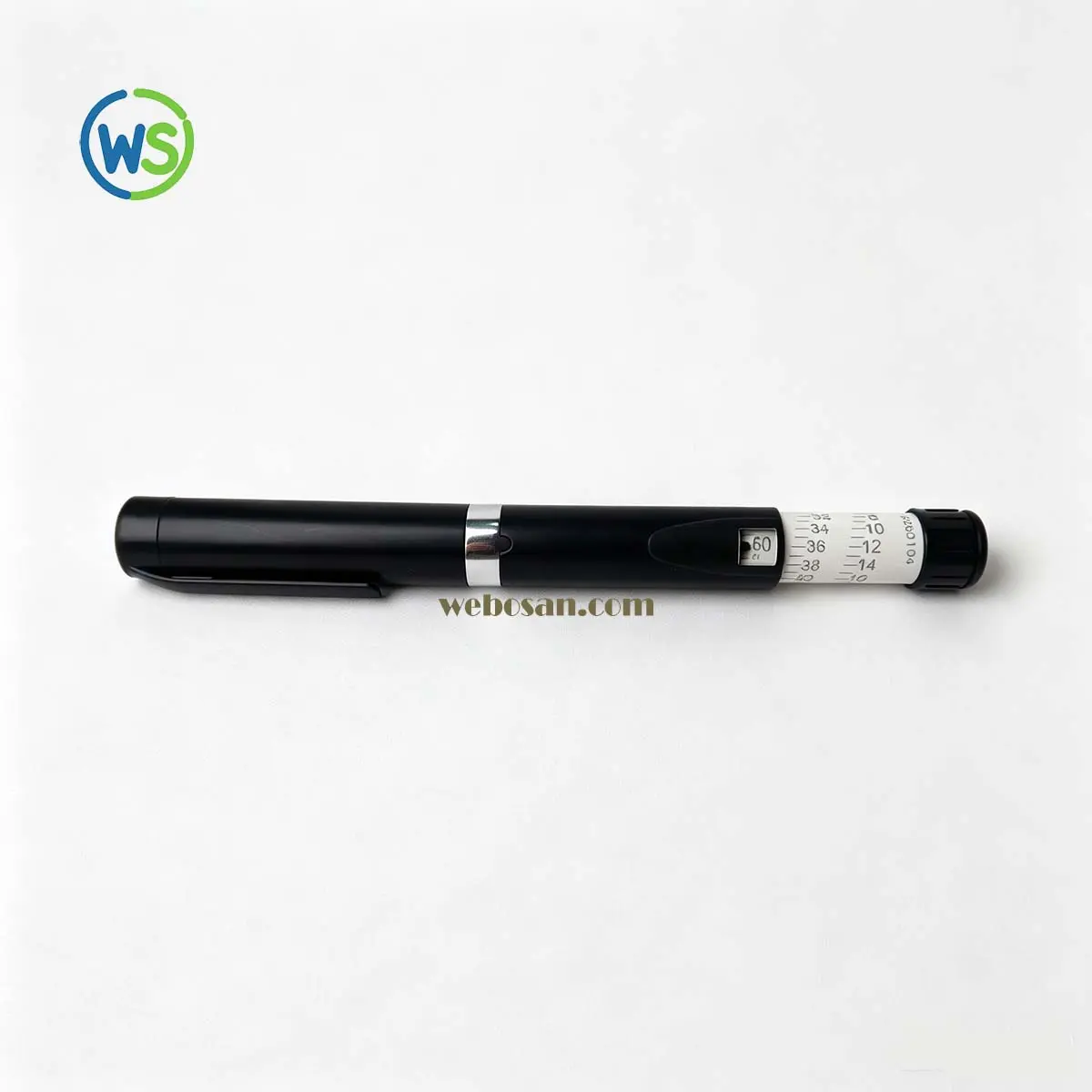
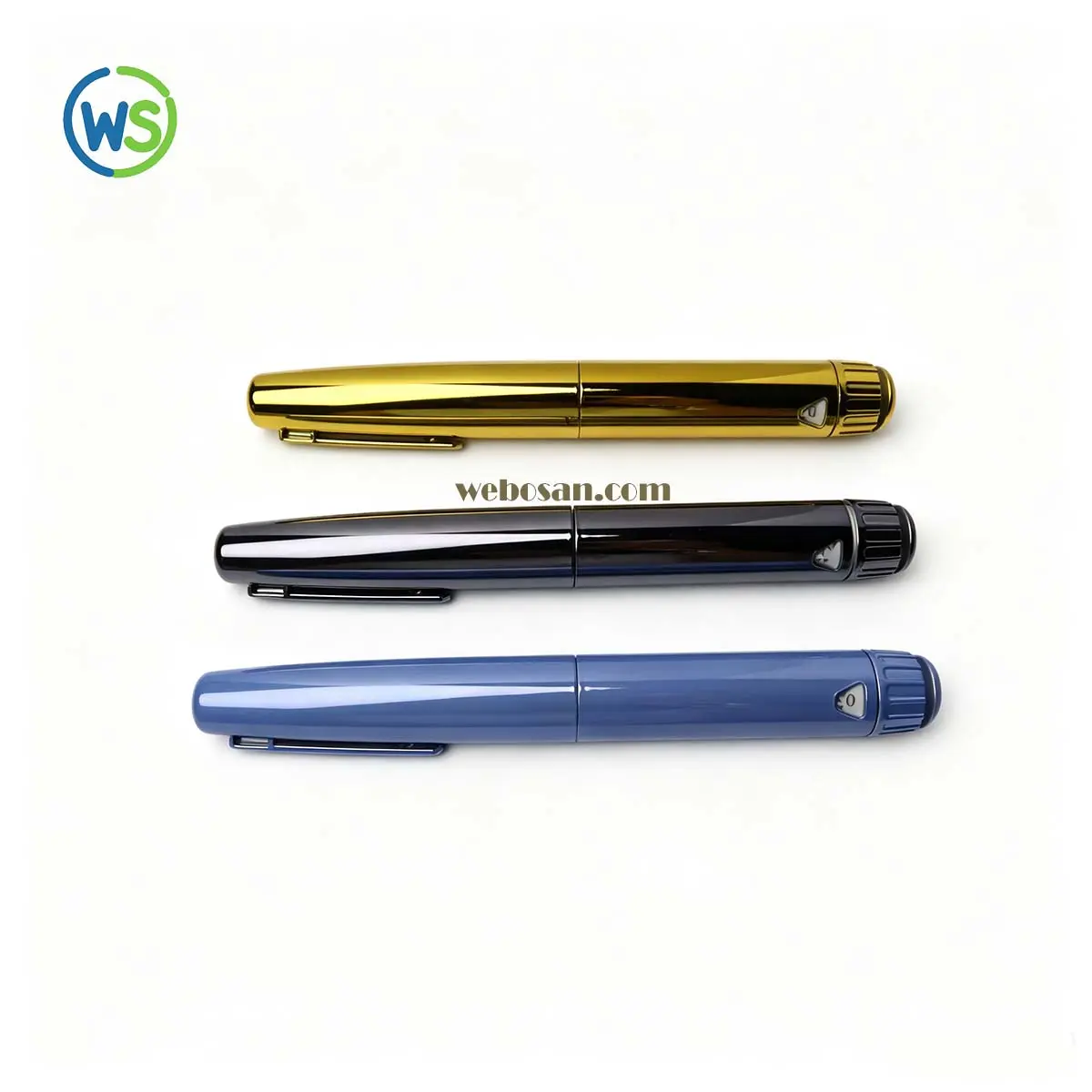
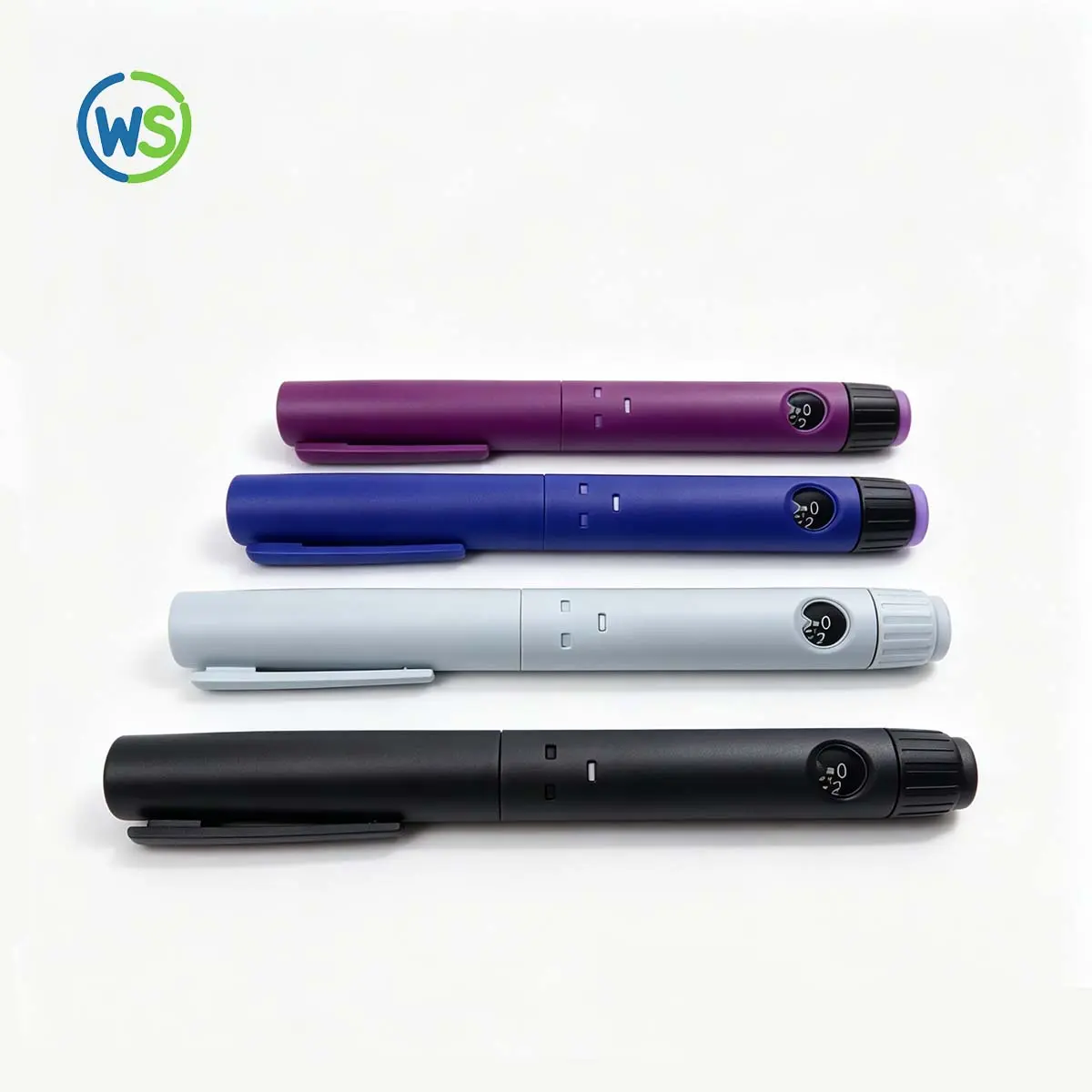
Searching for a GLP-1 pen supplier usually means a buyer is comparing device platforms for metabolic or weight-management programs — not shopping a consumer pharmacy listing. This checklist is for distributors, clinic groups, therapy brands, and OEM partners who need a stable pen injector path before branding and commercial packaging.
webosan is a B2B device manufacturer. We do not sell finished GLP-1 medicines online. We support professional buyers evaluating pen platforms, sterile needles, accessories, and kit packaging.
Most GLP-1 programs combine a drug with a delivery device — what the FDA classifies as a combination product. That split matters for buyers: the device factory supports the hardware and its documentation, while marketing authorization for the medicine remains with the drug license holder.
A useful starting point for kit-oriented programs is WS-KIT01.

1. Clarify the Program Before You Ask for Price
A supplier cannot give a meaningful GLP-1 device recommendation from the word “pen” alone. Prepare:
- Target market countries and language needs
- Reusable cartridge model vs disposable / kit-first model
- Expected dose presentation and user training level
- Branding scope (logo, color, carton, IFU)
- Pilot volume and annual volume bands
- Whether needles, cases, or literature must ship together
If your commercial story depends on a first-shipment experience, evaluate kit packaging early — not after artwork is frozen.
2. Platform Fit Checklist
Ask every candidate supplier:
- Which platforms are relevant for GLP-1 / metabolic programs?
- What dose range and increment options are available?
- How is dose confirmation communicated to the user (scale, click, end-stop)?
- What needle interface standard is assumed?
- What sample configurations can ship for tactile review?
For kit programs, review WS-KIT01 as an example of branded presentation plus supporting components.
3. User Workflow Checklist
GLP-1 programs often fail in the field because first-use steps were never stress-tested.
Review:
- Cap removal and needle attachment clarity
- Dose setting readability for the intended user group
- Injection button force and feedback
- Storage and travel presentation
- Disposal or cartridge-change messaging (depending on platform)
Request written sample notes, not only photos.
4. Packaging and Brand Presentation Checklist
Brand owners frequently underestimate packaging lead time.
Confirm:
- Carton structure and protective inserts
- Label language versions and change control
- IFU translation workflow
- Color matching for housing and print
- Optional case/pouch inclusion for travel programs
Kit SKUs should be limited for the first commercial launch. Expand variants after the first reorder cycle is stable.
5. Quality and Documentation Checklist
A serious GLP-1 injection pen supplier discussion should include:
- Device specification sheet for the proposed platform
- Process and inspection overview for critical functional checks
- Batch/lot record approach for complaint investigation
- Packaging and labeling controls
- Documents available for distributor or partner onboarding
“We can support CE/FDA markets” is not a document. Ask what files you will actually receive for internal review. For U.S.-bound injector programs, the FDA’s Technical Considerations for Pen, Jet, and Related Injectors guidance is a useful frame for the device-level evidence discussion.
6. Supply and Logistics Checklist
Ask for:
- Engineering sample lead time
- Pilot batch lead time after sample approval
- Commercial lead time ranges
- MOQ logic for device, packaging, and kit components
- Export documentation support for your destination
If the supplier cannot separate sample, pilot, and commercial timing, expect launch delays.
7. Commercial Communication Checklist
Score the supplier on response quality:
- Do they ask about application and market before quoting?
- Do they recommend a platform with assumptions stated?
- Do they flag open risks (artwork, language, needle assortment)?
- Do they provide a next-step plan (sample criteria, pilot SKU set)?
Price-only replies are a warning sign for therapy programs.
8. Suggested Evaluation Sequence
- Shortlist platforms and kit concepts.
- Review WS-KIT01 if branded kit presentation matters.
- Request samples against a written checklist.
- Approve dose feel and packaging direction.
- Run a pilot SKU set.
- Lock reorder contacts and documentation package.
9. What to Send webosan
To accelerate evaluation, email or submit via contact:
- Target markets
- Preferred reusable vs disposable / kit model
- Dose concept and user group notes
- Branding and packaging scope
- Estimated pilot and annual volumes
We can then respond with platform options, sample direction, and packaging discussion points for your GLP-1 program review.