Key Takeaways
- Packaging and branding decisions often sit on the critical path — plan carton structure, IFU language, and kit assortment early.
- Private-label branding options range from logo printing to full structural and graphical design.
- Confirm artwork, approval, and packaging lead times with the factory before tooling begins.
Injection pen packaging and OEM branding decisions often sit on the critical path longer than molding itself. Color approvals, carton structure, IFU language, and kit assortment can delay launch even when the device sample already feels right.
This guide helps B2B buyers plan branding and packaging early — especially for kit programs such as WS-KIT01 and protective accessories such as WS-CASE01, WS-CASE02, and related case models.

1. Branding Is More Than a Logo Print
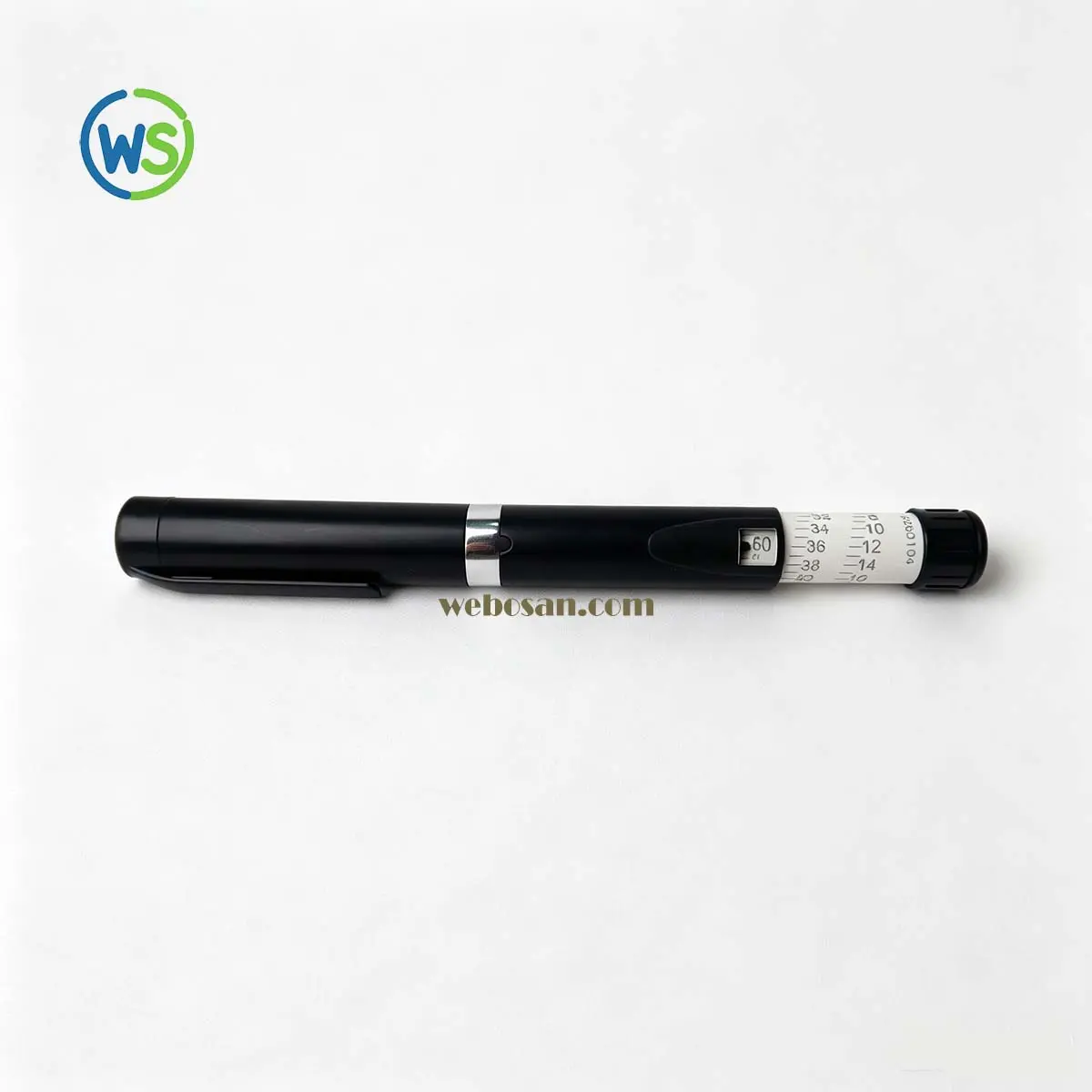
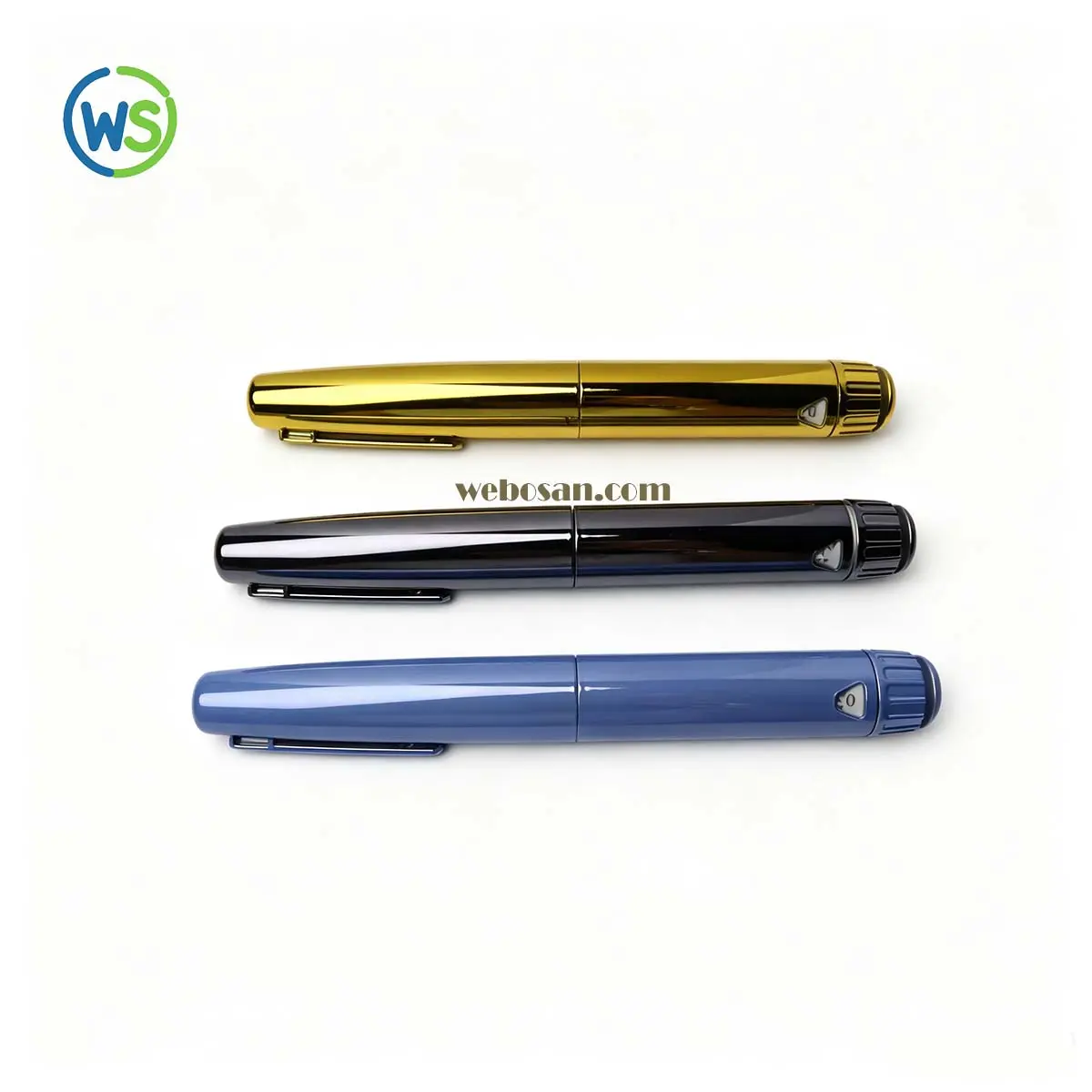
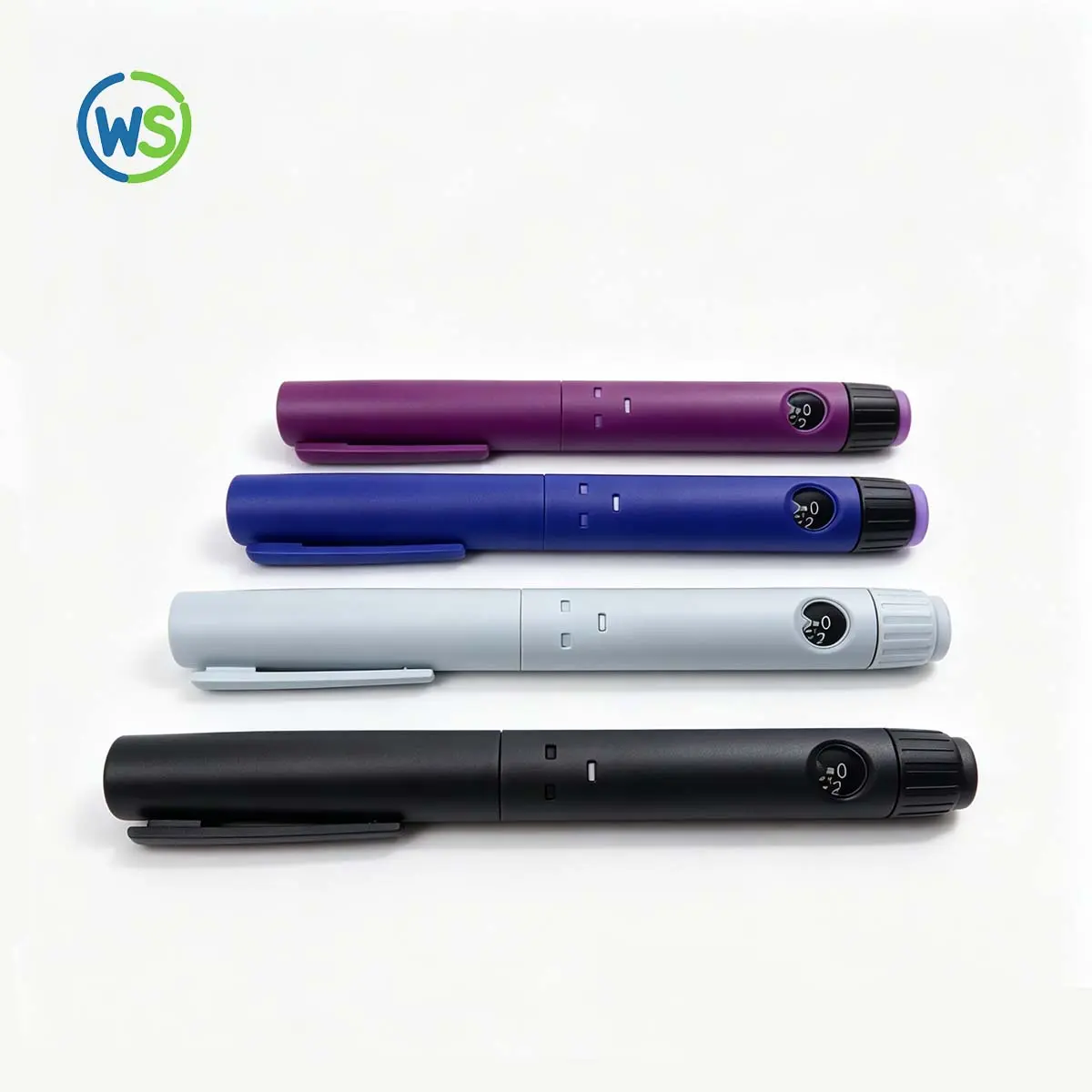
OEM branding for injection pens usually includes several layers:
- Housing color and finish
- Dose scale artwork and numbering style
- Logo placement on the pen body
- IFU design and language set
- Carton / label design
- Optional kit inserts, cases, and literature
Approve these layers as a package. Approving the logo alone while leaving IFU language open is how timelines slip.
2. Choose a Packaging Architecture First
Common B2B packaging architectures:
- Device-only packaging — pen presented for professional distribution.
- Device + needle assortment — first-use completeness.
- Travel-ready presentation — pen plus case/pouch.
- Full kit — device, needles, literature, and branded outer pack.
Kit-first brands often evaluate WS-KIT01 because presentation and component completeness affect partner onboarding and patient training materials.
3. Carry Cases and Pouches as Brand Extensions
Protective accessories are not only logistics items. They extend brand presence between injection days.
Examples in the accessory range:
When selecting cases, align internal dimensions and needle storage assumptions with the chosen pen platform. Accessory mismatch creates returns even when the pen itself is accepted.
4. Packaging Artwork Workflow That Protects Launch Dates
A practical sequence:
- Freeze device configuration (dose, color family, platform).
- Confirm market language list.
- Draft carton + IFU content with claim ownership on the brand side.
- Factory reviews printability and process constraints.
- Soft proof → hard proof → pilot pack-out.
- Commercial release with version control.
Do not run full commercial artwork while dose-feel samples are still contested.
5. Color Matching Reality Check
Buyers often expect perfect Pantone matching across molded plastic, printed carton, and soft case materials. Those substrates respond differently.
Set expectations:
- Molded housing color windows
- Print color on carton stock
- Soft-good color for cases/pouches
Approve each substrate, then approve the combination.
6. IFU and Training Insert Planning
IFU quality affects complaint rates. For OEM programs, decide:
- Who writes clinical/user instructions content?
- Who translates and validates language?
- How updates are versioned when markets expand?
- Whether a short quick-start card is included in kits
Factories can manufacture and pack. Brand owners must own instructional accuracy.
7. SKU Discipline for First Launch
Every extra color, dose scale, and kit variant multiplies packaging plates, inventory, and QC checks.
For first commercial launch:
- Limit colorways
- Limit kit compositions
- Limit language versions to active markets
- Expand after reorder stability is proven
8. Quality Checks Specific to Packaging
Ask suppliers how they control:
- Label mix-ups between language versions
- Carton print defects and scuffing
- Missing kit components
- Case fit and closure reliability
- Lot coding readability
Packaging defects create the same commercial damage as device defects.
9. How Packaging Links Back to Manufacturing
Branding files should reference a locked device BOM. If the pen platform changes after artwork approval, packaging must re-enter review.
This is why packaging and manufacturing teams need a shared configuration matrix.
10. Next Steps With webosan
If you are planning private-label packaging:
- Review kit options via WS-KIT01.
- Review case options such as WS-CASE01 and WS-CASE02.
- Send market list, branding scope, and preferred kit architecture through contact.
Good OEM branding looks polished in photos. Great OEM branding arrives on time, packs correctly, and survives the first three commercial lots without artwork chaos.