Key Takeaways
- OEM runs from mold engineering through molding, cleanroom assembly, inspection, and export — not from logo printing.
- Dose accuracy and tactile feel are locked in by mould tolerance, material selection, and process control.
- Ask for milestone evidence: mould trial reports, dimensional reports, QC records, and shipment documentation.
When a distributor, therapy brand, or medical device importer searches for an injection pen OEM, the question is rarely “who can print a logo.” The real question is whether a factory can take a device concept from mold engineering through molding, assembly, inspection, packaging, and export without breaking dose feel, cartridge fit, or batch consistency.
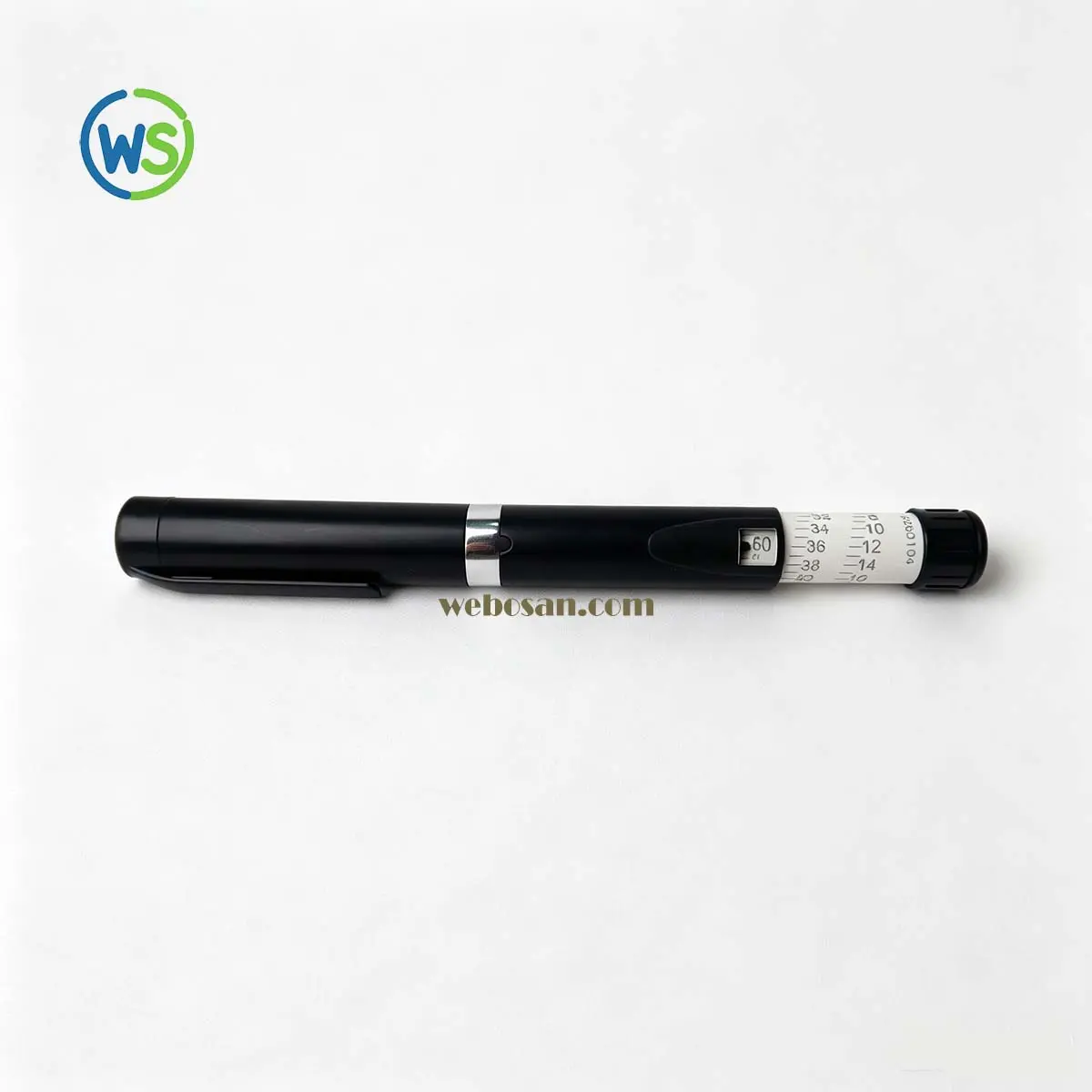
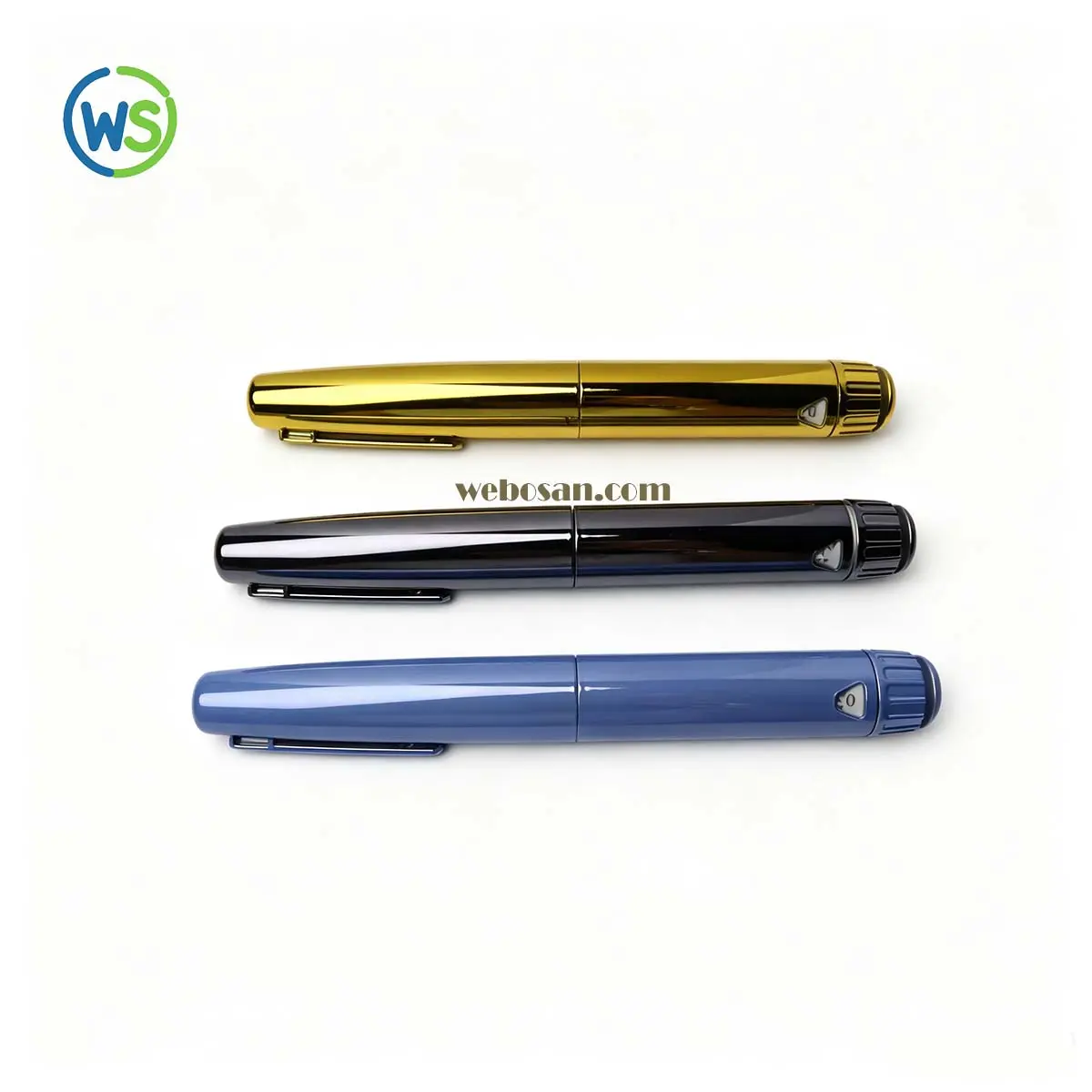
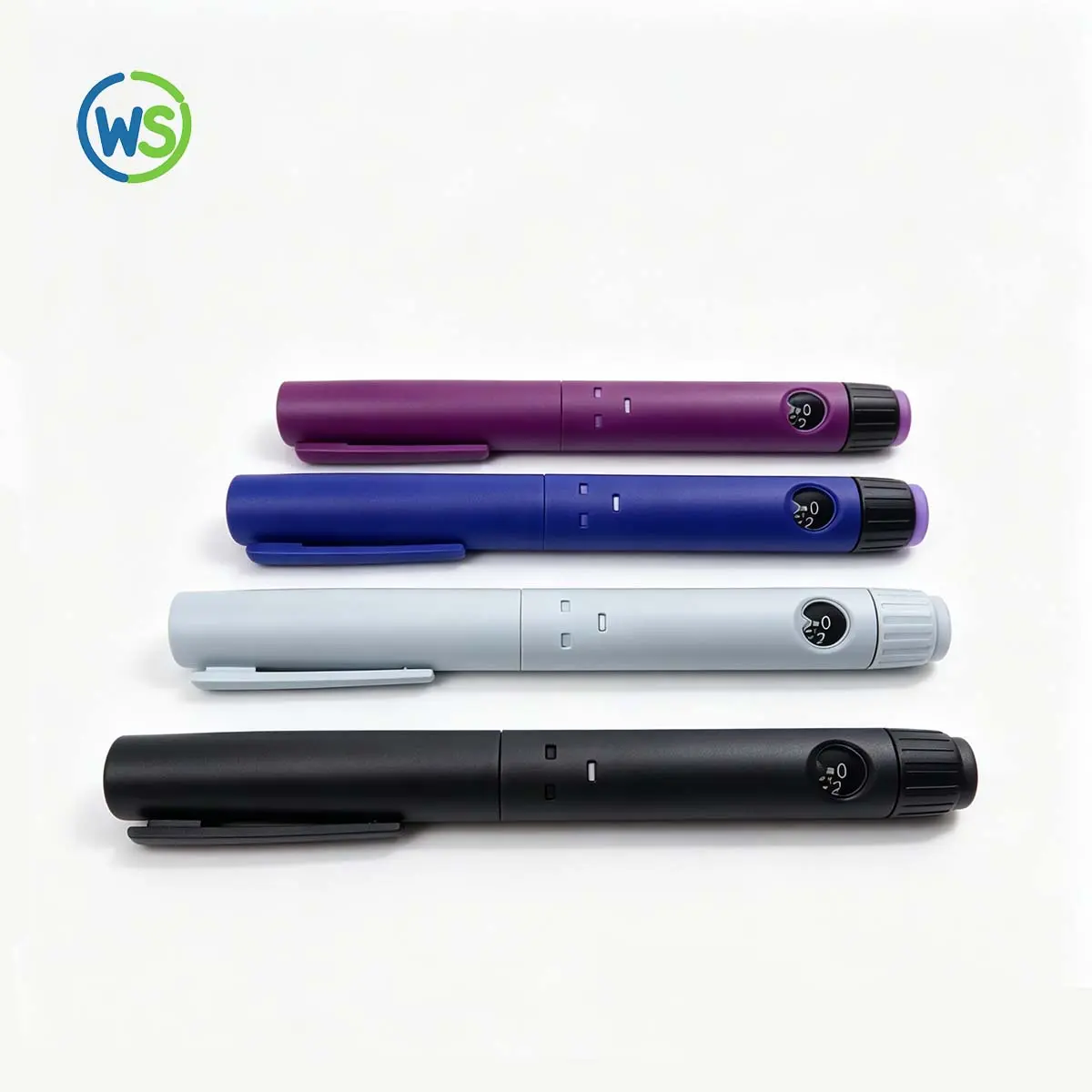
This guide walks through the injection pen manufacturing process the way B2B buyers actually evaluate it: what happens on the shop floor, which checkpoints matter, and how reusable platforms such as WS-RF01 and disposable platforms such as WS-DS01 move from sample to commercial shipment.
webosan is a factory-based OEM/ODM partner. We do not sell finished drugs online. We support professional buyers who need pen injectors, sterile needles, kit packaging, and documentation for therapy programs.

1. Start With a Manufacturing Brief, Not a Catalogue Price
Strong OEM projects begin with a short manufacturing brief. Buyers who skip this step often receive a low unit quote that later fails sample review.
A useful brief covers:
- Device type: reusable cartridge pen, disposable/pre-filled platform, kit, or accessory package
- Target therapy direction: insulin, GLP-1 / metabolic, hormone, aesthetic, or multi-program sourcing
- Container format: typically 3 mL cartridge fit for reusable pens
- Dose concept: range, increment, scale readability, dial torque, and end-of-dose feedback
- Branding scope: housing color, dose scale, logo, IFU language, carton artwork
- Volume path: engineering sample, pilot batch, and annual commercial estimate
- Destination markets: language, labeling, and documentation needs for distributor onboarding
With that brief, a pen injector manufacturing team can recommend a platform instead of guessing from a generic RFQ.
2. Mold Development: Where Dose Feel Is Locked In
For plastic housing, dose knobs, buttons, and many internal components, mold development sets the long-term cost and quality baseline.
In a serious OEM process, mold work usually includes:
- Design freeze for critical interfaces (cartridge seat, needle hub, clutch geometry, button travel).
- Mold-flow and tooling review to reduce sink marks, flash, and dimensional drift.
- First-article sampling for fit, cosmetic class, and assembly clearance.
- Tooling release only after engineering and quality agree on dimensional windows.
Buyers evaluating China medical device OEMs should ask who owns mold maintenance, how spare cavities are managed, and whether cosmetic grades are defined for visible parts. A nice render means little if cavity-to-cavity variation changes dial torque later.
Reusable platforms such as WS-RF01 depend heavily on consistent molded geometry because users keep the same pen body across many cartridge cycles. Disposable platforms such as WS-DS01 emphasize repeatable assembly and packaging for higher-volume therapy programs.
3. Precision Injection Molding
After tooling is stable, production molding focuses on process windows: melt temperature, injection speed, packing pressure, cooling time, and material lot control.
What B2B buyers should look for:
- Documented process parameters for critical parts
- Incoming resin verification and lot traceability
- In-process dimensional checks on dose-related components
- Clear scrap rules for flash, short shot, and discoloration

Molding is not only about “making plastic parts.” For injection pens, it is about keeping tactile feedback predictable. If dial resistance drifts between lots, users notice immediately - and distributors hear about it.
4. Cleanroom Assembly and Mechanism Build
Assembly is where molded parts become a pen injector. Depending on the platform, this stage may include clutch assembly, dose dial build, cartridge holder fit, end-cap installation, and functional checks.
A capable OEM typically combines:
- Controlled assembly environment for critical steps
- Fixtures that protect dose mechanisms from operator variation
- Torque and travel checks on buttons and dials
- Visual inspection for cosmetic grade and labeling readiness

For reusable pens, assembly quality determines whether cartridge change remains smooth after months of use. For disposable pens, assembly quality determines whether every shipped unit behaves the same in training and first-use workflows.
5. QC Inspection That Matches B2B Risk
Quality control for injection pens should not stop at a final visual check. Procurement teams usually need evidence that functional risks were reviewed.
Typical QC layers include:
- Incoming inspection for resins, springs, metal parts, and printed materials
- In-process checks during molding and assembly
- Functional sampling for dose setting, dial feel, and actuation force
- Packaging inspection for labeling, barcodes, and protective fit
- Batch records that support complaint investigation later
When buyers compare factories, ask how nonconformances are escalated, how rework is controlled, and which records travel with a commercial shipment. “We have ISO” is not enough; ask how ISO practices show up in daily pen production.

6. Packaging, Branding, and Kit Configuration
OEM branding is often decided late - and then becomes the critical path. Color approval, scale artwork, IFU translation, and carton structure can delay shipment even when devices are ready.
Plan packaging early:
- Primary device presentation and protective inserts
- Market language for IFU and carton
- Private-label logo placement and color matching
- Optional kit formats (pen + needles + case + literature)
Reusable platforms and disposable platforms can share branding logic, but kit content differs. Therapy brands often start with a platform sample, then expand into branded packaging once dose feel and documentation are accepted.
7. Export Logistics for Medical Device Buyers
A factory that can mold and assemble still needs export discipline. International B2B buyers typically care about:
- Lead time from sample approval to pilot and commercial lots
- Packing lists and commercial invoice accuracy
- HS code discussion and destination documentation support
- Protective packing that survives ocean or air freight
- Communication when customs or logistics questions appear
Export readiness is part of manufacturing capability. Delayed paperwork creates the same commercial damage as a late production lot.
8. How Buyers Should Stage an OEM Project
A practical staging model reduces risk:
- Platform shortlist - reusable vs disposable fit for the therapy program.
- Engineering sample - confirm dose feel, cartridge fit, and cosmetic grade.
- Pilot batch - validate packaging, labeling, and supply communication.
- Commercial release - lock process windows, branding files, and reorder timing.
For cartridge-based programs, many buyers begin with a reusable platform like WS-RF01. For pre-filled or single-use distribution models, they compare disposable options such as WS-DS01. Both paths still require the same manufacturing discipline: tooling control, assembly consistency, QC records, and export support.
9. What “Good OEM Communication” Looks Like
During evaluation, notice how the factory asks questions. A useful partner asks about dose range, viscosity concerns, target markets, annual volume bands, and branding scope before quoting a final unit price.
Weak communication usually shows up as:
- One-line replies to multi-point RFQs
- Sample photos without dimensional or functional notes
- Packaging promises without artwork timelines
- MOQ numbers disconnected from tooling and mold status
Strong communication includes sample notes, open points, next-step options, and a clear list of what the buyer must provide (artwork, IFU language, destination requirements).
10. Next Step for Procurement Teams
If you are comparing China injection pen OEMs, prepare your manufacturing brief and ask for:
- Platform recommendation with dose and cartridge assumptions
- Sample path and expected review timeline
- Customization scope for color, scale, logo, and packaging
- Documentation available for internal partner onboarding
- Pilot and commercial lead-time ranges
webosan can discuss reusable platforms, disposable platforms, sterile pen needles, and accessory packaging as part of one B2B evaluation path. Start with the product pages for WS-RF01 and WS-DS01, or send your program parameters through the contact page.
A competitive quote matters. A stable manufacturing process matters more - because therapy programs live or die on repeatable dose feel, documentation, and on-time supply.