Important notice: Peptide is an investigational drug and is not approved for commercialization in most markets. This article covers only the selection of compatible delivery devices for research, development, and B2B device supply programs. webosan manufactures devices and does not supply medications.
Key Takeaways
- Peptide is investigational in most markets — this guide covers compatible delivery devices for research and B2B device programs only.
- Device selection criteria: dose setting range, cartridge fit, reusable vs disposable, and manufacturer documentation.
- Compliance first: verify applicable regulatory requirements per market before device supply.
Interest in peptide (an investigational GLP-1/GIP/glucagon receptor agonist) is growing quickly, and with it the most frequent procurement question: which injection pen fits an investigational peptide program? This guide summarizes what B2B buying teams should evaluate before selecting a delivery device.
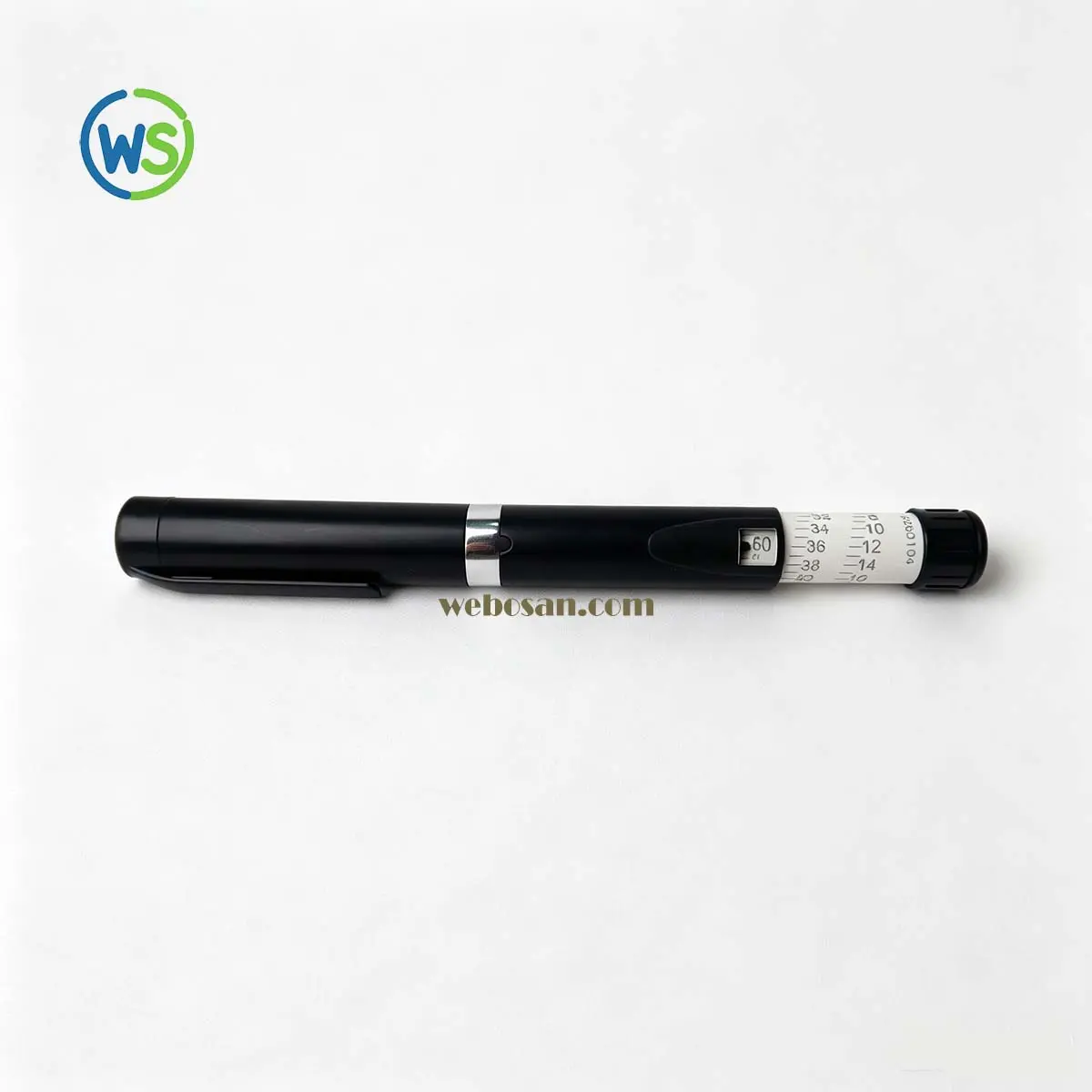
webosan manufactures injection pens for B2B partners — reusable and disposable platforms. Device references describe compatible delivery devices only.
Why the pen choice matters
Peptide is administered by subcutaneous injection on a weekly dosing schedule. That means the delivery device defines the patient experience more than almost any other program component: ease of dose setting, audible/tactile feedback, compatible needles, and market presentation.
Disposable vs reusable pen for peptide programs
Disposable (pre-filled) pen: simplifies logistics — the patient receives a ready-to-use device with no cartridge handling. Ideal for launches with simplified distribution, clinics, and self-administration programs. Many buyers prefer a disposable pen for the first year of a program.
Reusable pen (refillable cartridge): lowers per-dose cost as program volume grows and allows cartridge refills. Requires additional training for cartridge change, but is the preferred option for long-term programs.
What to verify with the manufacturer
- Dose accuracy — request force-curve and dose-accuracy test data, not just spec sheets
- Cartridge compatibility — ISO 11608-3 interfaces; confirm fill volume and stopper
- Samples — request samples before finalizing packaging design
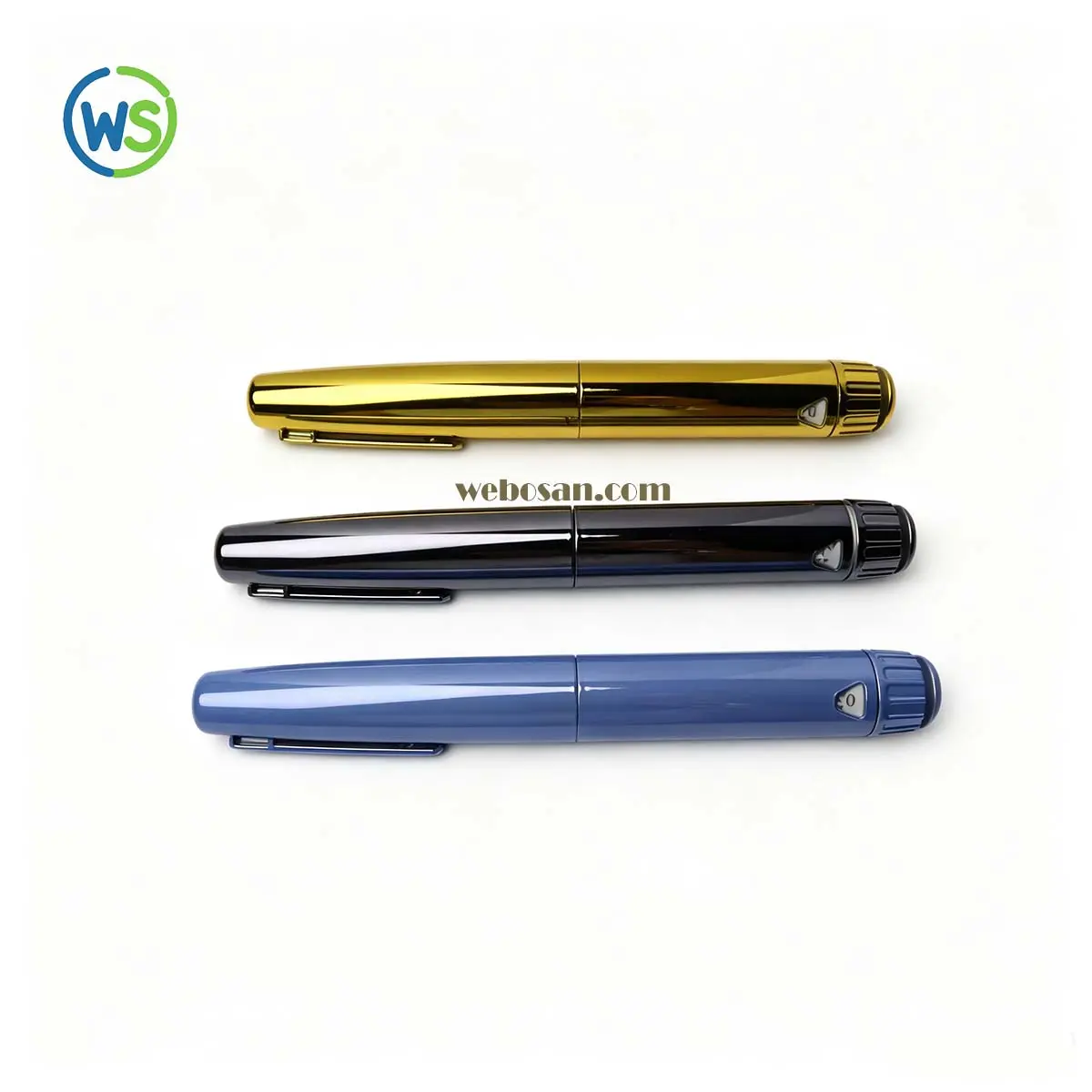
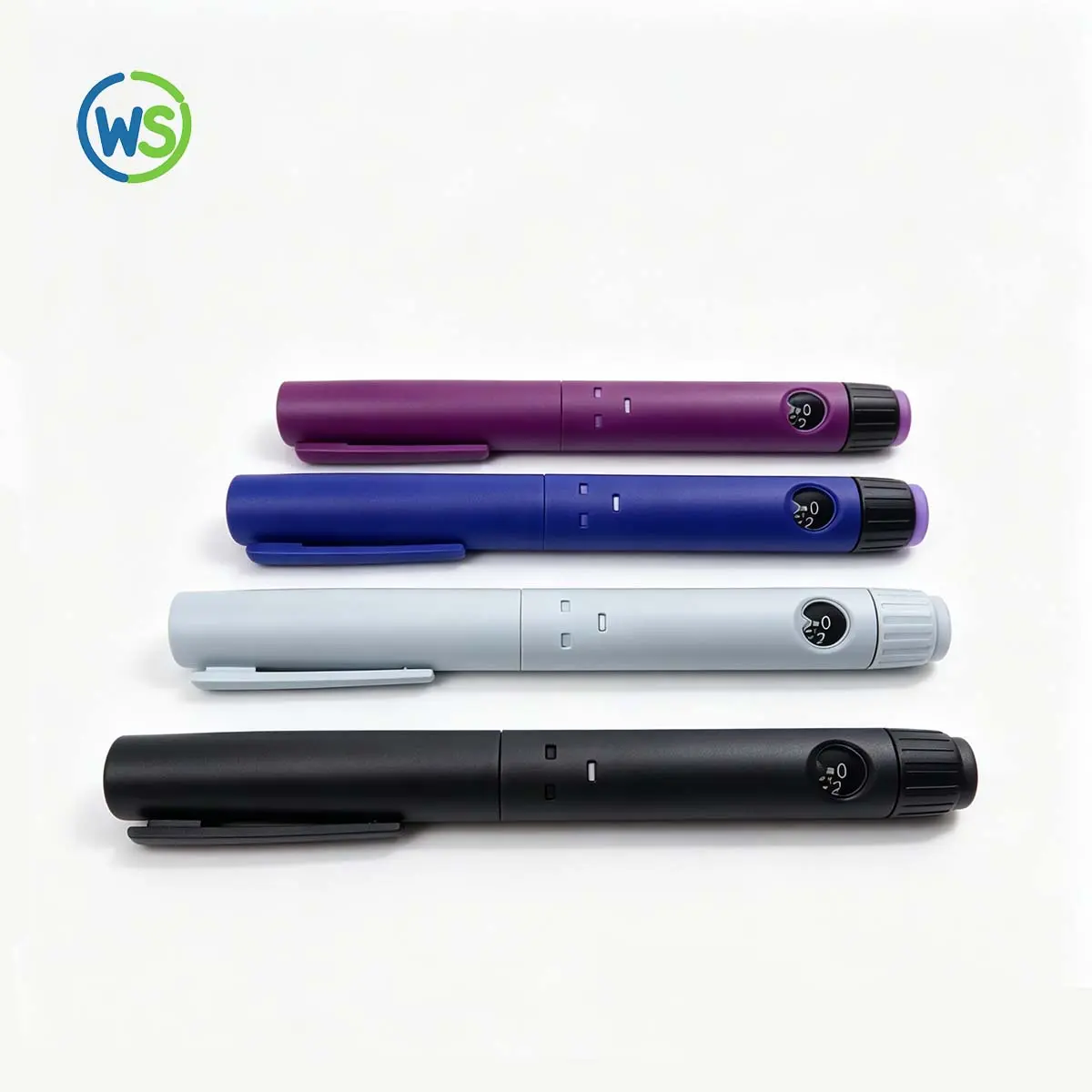
- Customization — dose scales, colors, logo, multilingual IFU, packaging
- Market documentation — device classification and export paperwork for your destination markets
- Volume and lead time — unit pricing and delivery timelines for your projected ramp
Next step
First define the administration path (disposable vs reusable) based on your distribution channel, then evaluate manufacturers using the checklist above. Request samples and validate dose accuracy with your formulation before closing branding and packaging.