Key Takeaways
- China sourcing works when buyers separate factory capability from sales talk — evidence beats presentations.
- Use structured sample protocols and multi-batch data to verify consistency before MOQ commitments.
- Documentation, quality systems, and communication discipline decide whether a factory scales with your program.
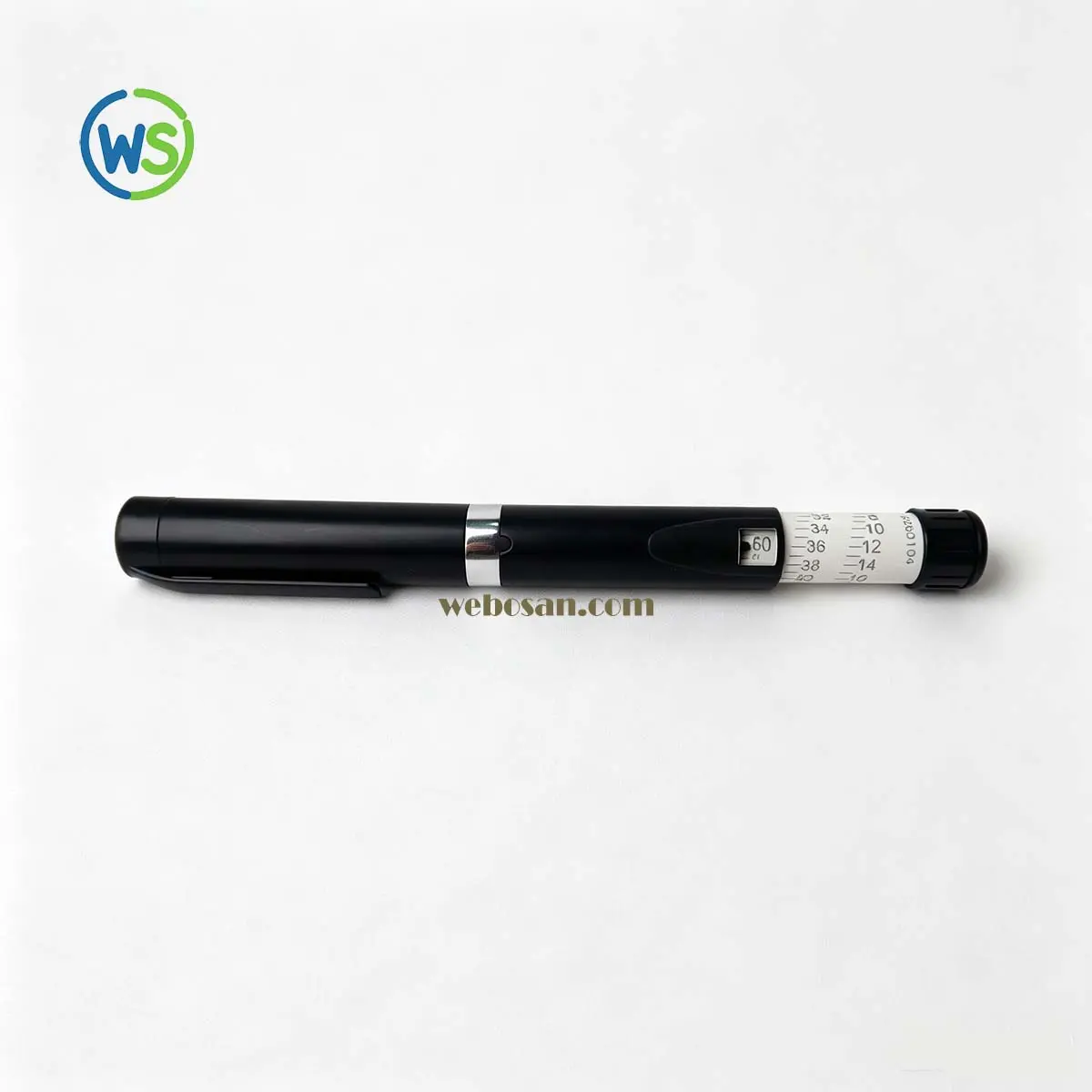
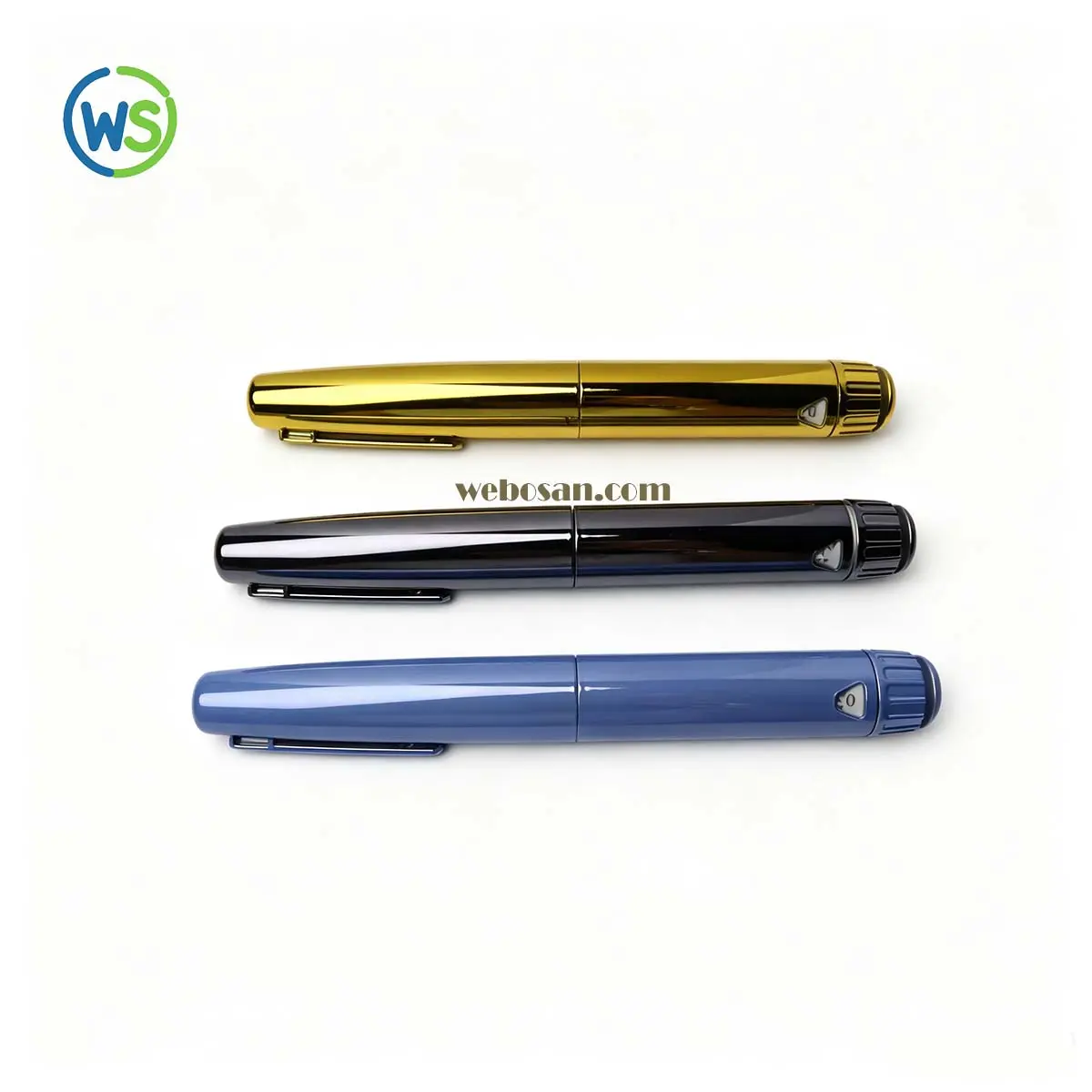
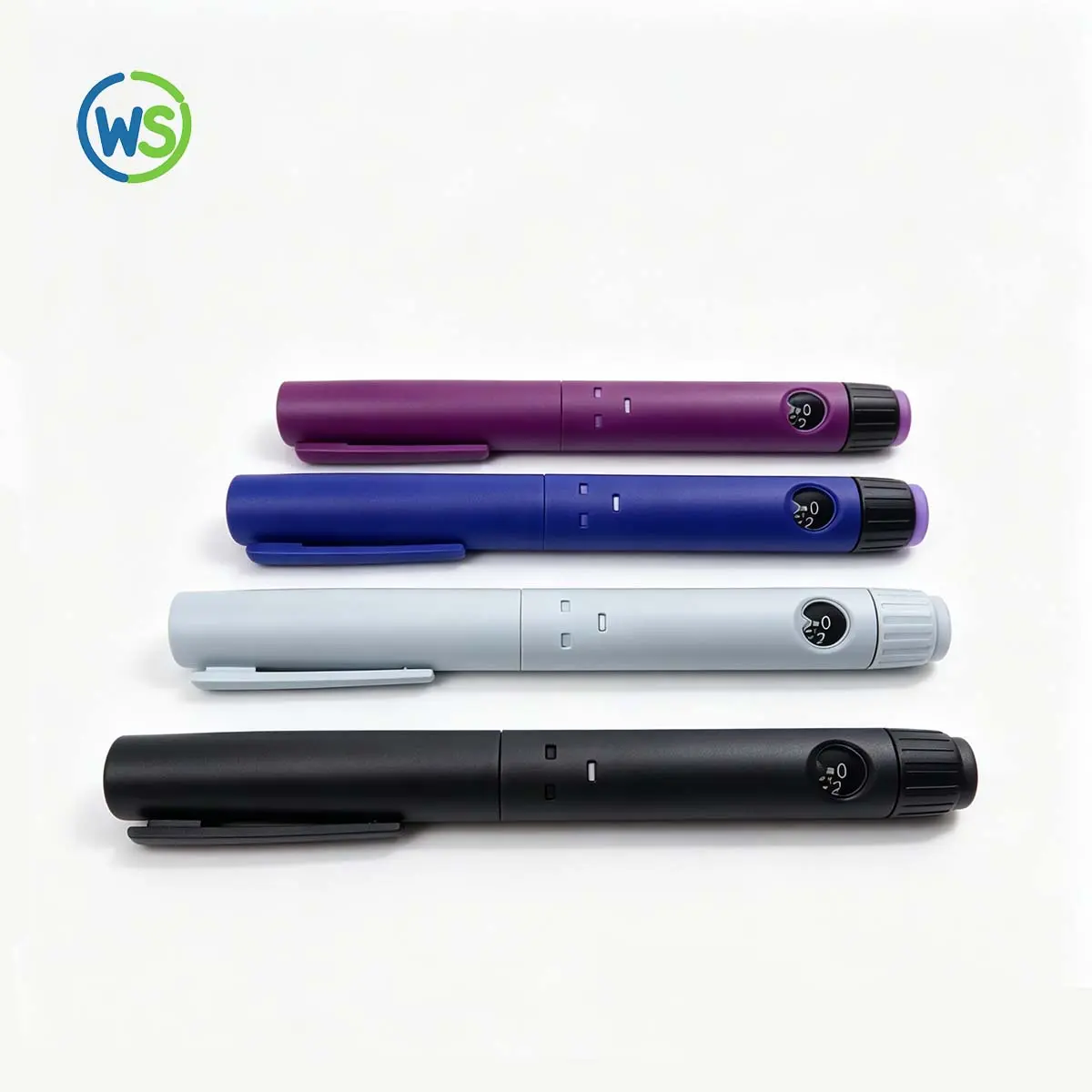
Sourcing injection pens from China is no longer only about finding the lowest quote. For distributors, therapy brands, clinics, and procurement teams, the real job is to choose a factory that can keep cartridge fit, dose control, documentation, packaging, and export timing stable across sample, pilot, and commercial batches.
This Application Note is a practical guide for international buyers who search phrases such as “source injection pens China”, “China injection pen manufacturer”, “OEM injection pen China”, or “import injection pens from China”. It explains how to evaluate factories, review quality systems, run sample protocols, plan logistics, and use global trade fairs to accelerate supplier selection.
webosan is a factory-based B2B manufacturer. We do not sell finished drugs online. We support professional buyers who need disposable pens, reusable cartridge pens, sterile pen needles, accessories, private-label branding, and OEM/ODM programs.

1. Clarify What You Are Actually Buying
Before contacting factories, define the device program. Many delayed projects start with a vague request like “injection pen price” and only later discover mismatched cartridge format, needle interface, or packaging language.
Prepare a short sourcing brief that covers:
- Device type: reusable cartridge pen, disposable/pre-filled pen platform, custom kit, pen needles, or accessories.
- Application direction: insulin, GLP-1 / metabolic, hormone, aesthetic, or multi-therapy procurement.
- Container fit: 3 mL cartridge requirements, other cartridge formats, or disposable pen fill concepts.
- Dose concept: dose range, increment, scale readability, dial feel, and end-of-dose feedback.
- User workflow: self-administration, clinic use, travel packaging, and training needs.
- Market destination: target countries, language requirements for IFU and carton, and internal onboarding documents.
- Commercial shape: private label, Webosan brand discussion, OEM only, or multi-component kit.
A clear brief lets a Chinese manufacturer respond with a platform recommendation instead of a generic catalogue price.
2. Why International Buyers Still Source Injection Pens from China
China remains an important manufacturing base for injection pen hardware because many buyers need a combination of:
- Mature mold development and precision injection molding.
- Clean assembly and inspection workflows for device platforms.
- Flexible OEM/ODM customization for color, logo, scale, carton, and kit configuration.
- Practical sample support during early procurement review.
- Export communication for documentation packing lists, invoices, and courier or sea freight options.
That does not mean every Chinese supplier is equal. The difference between a trading-desk quote and a factory program becomes visible during audit, sampling, batch consistency, and after-sales response speed.
For B2B buyers, the right question is not only “How cheap is China?” but “Which Chinese injection pen factory can sustain my market launch?”
3. Start With Digital Screening, Then Plan Factory Verification
3.1 Online signals that matter
Use public materials to filter candidates quickly:
- Product pages that show real platforms, not only stock photos.
- Clear category coverage: reusable pens, disposable pens, needles, cases, pouches, kits.
- Ability to discuss dose concept, cartridge fit, and packaging options.
- Response quality within one or two business days.
- Willingness to share specification summaries, sample options, and MOQ ranges.
3.2 Factory evaluation questions to ask early
Ask the factory to answer in writing:
- Which platforms match my therapy and container requirements?
- Where are molds, molding, assembly, and inspection handled?
- What sample types are available, and what is the typical sample lead time?
- Which documents can be prepared for distributor or brand onboarding?
- What customization is available for color, logo, scale printing, carton, and IFU?
- What production capacity range is realistic for pilot and annual volume?
- Who is the dedicated commercial and technical contact?
If answers stay vague after several emails, the project risk is usually high.
4. Factory Audit: What Buyers Should Review on Site
A factory visit or video audit should focus on process ownership, not hospitality.
4.1 Capabilities to verify
- Mold workshop or mold partner workflow for device parts.
- Injection molding process control and material handling.
- Assembly line discipline and workstation standards.
- Inspection checkpoints relevant to dose feel, torque, appearance, and packaging.
- Warehouse segregation for samples, pilot lots, and export cartons.
- Labeling and packaging area for private-label programs.
4.2 People and communication
A useful audit also checks whether the team can explain product structure simply. Buyers should meet both a commercial contact and someone who can discuss platform selection, sample feedback, and documentation. Fast translation without process knowledge is not the same as factory support.
4.3 Practical audit checklist
Bring or request:
- Platform list linked to therapy and container formats.
- Recent sample photos and batch notes when available.
- Packaging mockups or carton examples.
- Quality system overview and inspection outline.
- Export packing examples and shipping contact process.
webosan welcomes buyers to review manufacturing flow in China. For verified commercial discussions, we can support invitation letter preparation and reception planning for factory visits.
5. Quality System and Documentation Review
For medical device hardware sourcing, documentation is part of the product.
Buyers importing injection pens from China typically review:
- Quality management system overview for the manufacturing organization.
- Product specifications for the selected platform.
- Appearance and functional inspection points.
- Packaging and labeling material list.
- Instructions for use drafts or language adaptation path.
- Material and process notes relevant to the buyer’s internal file.
- Change-control expectations when colors, scales, or packaging revise.
Do not expect one PDF to replace a full regulatory dossier for every market. The practical goal at supplier selection stage is enough evidence for internal technical and commercial review, then a clear path for deeper documentation as the project advances.
5.1 What “good QMS communication” looks like
A mature Chinese medical device factory should:
- Separate sample claims from commercial batch claims.
- Explain inspection focus points without overselling certificates.
- Confirm which documents are already available and which need project preparation.
- Align branding and IFU language with destination market requirements.
6. Sample Protocol: From First Touch Sample to Pilot Confidence
Sampling is where many China sourcing projects succeed or fail.
6.1 Recommended sample stages
- Catalogue / platform sample: confirm form factor, handling feel, and visual direction.
- Configured sample: color, logo placement concept, scale direction, or packaging concept when needed.
- Pilot review sample: evaluate consistency against the intended commercial configuration.
- Production reference sample: lock appearance and packing standards before larger volume.
6.2 What buyers should record during sample review
- Dial torque and button force impression.
- Dose window readability.
- Cap fit and needle interface convenience.
- Cartridge installation and replacement experience for reusable pens.
- Packaging protection and print quality.
- Gaps between promised customization and delivered sample.
Send structured feedback. Photos alone are less useful than photos plus a short punch list of must-fix / nice-to-fix items.
6.3 Sample lead time expectations
Lead times vary with customization depth. Platform samples can move faster than logo-printed and market-language packaging samples. Ask for a calendar that separates tooling or printing preparation from shipping time.
7. OEM/ODM and Private-Label Planning
Many buyers search “OEM injection pen China” because they need more than a white-box unit.
Typical customization layers include:
- Housing color and brand color band.
- Logo marking method and placement.
- Dose scale design and language.
- Carton, label, and IFU localization.
- Kit assembly with needles, cases, pouches, or inserts.
- Presentation for clinic channels or pharmacy/distributor packaging.
A strong factory helps you decide what must be customized for market launch and what can wait until volume justifies extra tooling or print setup. Over-customizing the first pilot order often delays learning without improving market validation.
8. Commercial Terms: MOQ, Pricing, Payment, and Risk Control
8.1 Price comparison pitfalls
When comparing Chinese manufacturers:
- Check whether quotes include packaging and documentation preparation.
- Confirm currency, payment stages, and sample freight responsibility.
- Ask how tooling amortization or printing plate costs are handled.
- Separate reusable pen, disposable pen, needle, and accessory pricing logic.
- Request validity windows for quotes when resin or logistics costs move.
8.2 MOQ logic
MOQ is usually driven by molding, printing, packaging setup, and batch planning. Buyers should negotiate a pilot MOQ path that still protects manufacturing efficiency. Factories that claim “no MOQ for any customized pen” without conditions often hide constraints later.
8.3 Payment and order control basics
Professional buyers commonly use staged payments, clear Proforma Invoice details, and pre-shipment photo or inspection confirmation for first production lots. Keep version control for approved artwork and IFU files so reorders stay consistent.
9. Export Logistics and Customs Clearance
Importing injection pens from China requires coordination between factory packing and the buyer’s logistics partner.
9.1 Shipping modes
- Express courier: useful for samples and urgent small lots.
- Air freight: middle option for modest commercial quantities.
- Sea freight: common for larger accessories and volume device shipments when timing allows.
9.2 Documents buyers often prepare with the factory
Depending on destination and Incoterms, parties may need:
- Commercial invoice and packing list.
- Product description suitable for customs classification discussion.
- Shipping marks and carton counts.
- Certificates or declarations requested by the buyer’s forwarder or importer of record.
- Delivery terms (EXW, FOB, CIF, DDP discussion, etc.) matched to who controls freight and customs.
9.3 Practical customs notes for device buyers
Injection pens and pen needles may face different paperwork expectations by country. Buyers should involve their local importer, regulatory advisor, or freight forwarder early. The factory’s job is to pack accurately and provide clear commercial documents; market authorization strategy remains a destination-side responsibility.
Ask your China supplier:
- Who prepares export carton labels and marks?
- How are fragile components cushioned?
- Can mixed SKUs be packed and listed cleanly for warehouse receiving?
- What is the process when a shipment needs a reprint or corrected invoice?
10. Meet Chinese Manufacturers at Global Trade Fairs
Digital sourcing is powerful, but face-to-face meetings still accelerate trust. Many international buyers decide supplier shortlists after seeing platforms, handling samples, and discussing project details in person.
webosan participates in medical device and related industry exhibitions around the world. Trade fairs help buyers:
- Compare disposable and reusable pen platforms side by side.
- Review needles, cases, pouches, and kit concepts in one conversation.
- Align OEM/ODM expectations for branding and packaging.
- Schedule follow-up factory visits in China with clearer priorities.
- Meet commercial and technical contacts before formal RFQ cycles.
10.1 How to use exhibitions efficiently
Before the show:
- Send your therapy target, preferred pen type, and annual volume range.
- Book a booth meeting instead of relying on random walk-ups only.
- Prepare packaging language and destination market notes.
During the show:
- Handle the sample yourself and note dial feel and dose window clarity.
- Photograph configurations you may shortlist (with exhibitor permission).
- Confirm what can be sampled after the fair and within what lead time.
- Align next steps: quotation, sample PO, factory visit, or technical call.
After the show:
- Request a written summary of discussed platforms and open questions.
- Convert notes into a formal sourcing brief for internal stakeholders.
- Keep one decision owner so exhibition follow-up does not scatter across email threads.
10.2 Why exhibitions complement China factory audits
A trade fair is useful for discovery and relationship building. A China factory audit is useful for process verification. Buyers who combine both reduce the risk of selecting a supplier based only on a booth display or only on a catalogue PDF.
If you plan to attend a regional or global medical exhibition, contact webosan in advance so we can prepare relevant platforms, sample notes, and commercialization questions for your market.
11. Red Flags When Sourcing Injection Pens from China
Pause or dig deeper if you see:
- No clear answer on cartridge format or dose concept.
- Refusal to discuss sample stages or inspection points.
- Certificate claims that cannot be explained in context.
- Rapid price drops without explaining configuration changes.
- Only trading-company responses when you asked for factory process ownership.
- Packaging artwork that cannot be version-controlled for reorders.
A low quote is not a red flag by itself. Unexplained inconsistency is.
12. A Practical 10-Step China Sourcing Timeline
- Write the therapy, device type, and destination brief.
- Shortlist 2–4 manufacturers with relevant platform pages.
- Hold a technical-commercial call or exhibition meeting.
- Request platform samples and documentation outlines.
- Review samples with a written punch list.
- Confirm OEM/ODM scope and pilot MOQ.
- Freeze artwork and IFU language for the pilot lot.
- Align Incoterms, packing, and shipping mode.
- Audit the factory in person or by structured video review when the project size justifies it.
- Lock a reorder checklist for quality, packaging, and logistics continuity.
This sequence works for injection pens, pen needles, and accessory programs alike.
13. How webosan Supports International Buyers
webosan focuses on factory-direct B2B cooperation for:
- Disposable injection pen platforms.
- Reusable 3 mL cartridge injection pen platforms.
- Sterile pen needles.
- Cases, pouches, and presentation kits.
- OEM/ODM branding and packaging adaptation.
- Sample preparation and export communication support.
- Trade fair meetings and China factory visit planning for qualified projects.
We treat sourcing as a project, not a one-line price request. The goal is a stable path from evaluation to sample, pilot, and supply discussion.
14. Closing Checklist Before You Send Your First Inquiry
Include these points in your WhatsApp or email inquiry to a China injection pen manufacturer:
- Target application and country or region.
- Reusable, disposable, kit, needle, or accessory preference.
- Cartridge or container note (for example 3 mL).
- Dose range or handling priorities if known.
- Expected pilot quantity and rough annual outlook.
- Branding needs for logo, color, carton, and IFU language.
- Whether you prefer exhibition follow-up, online meeting, or China factory visit.
- Required documents for your internal review.
With that information, a serious factory can reply with platform options, sample direction, MOQ logic, and a realistic timeline.
Talk to webosan
If you are comparing Chinese injection pen manufacturers for a distributor launch, private-label program, or OEM/ODM project, send your sourcing brief to webosan. We can help you evaluate platforms, prepare samples, plan documentation inputs, discuss export packing, and meet in person at selected exhibitions or during a China factory visit.